


For many people, acne is a temporary skin concern, but the scars it leaves behind can last for years. While breakouts may eventually clear, pitted acne scars, uneven texture, and changes in skin tone can remain as visible reminders of past inflammation. These scars are more than surface-level imperfections. They are the result of changes to the skin’s deeper structure, including collagen loss and disrupted tissue formation.
This is why many people searching for acne scar removal discover that traditional skincare products alone may not deliver the improvement they hope for. To create meaningful change, treatment needs to go beyond the surface and encourage the skin to rebuild itself.
A fractional CO2 laser is one of the most advanced options available for improving acne scars. Through controlled resurfacing and natural skin remodeling, this technology helps stimulate collagen production, smooth uneven texture, and restore a healthier-looking appearance.
Understanding Why Acne Scars Form
Acne scars develop when inflammation from severe or prolonged acne damages the skin’s supporting structures. During the healing process, the body attempts to repair the injury, but sometimes it produces too little collagen or forms collagen unevenly. The result can be indentations, uneven texture, or visible changes in the skin.
The most common types of depressed acne scars include:
- Ice pick scars: Narrow, deep scars that extend into the skin.
- Boxcar scars: Wider depressions with defined edges.
- Rolling scars: Smooth, wave-like indentations caused by bands of scar tissue pulling the skin downward.
These scars are often classified as atrophic scars, meaning they result from a loss of tissue beneath the skin’s surface. This is why atrophic scar treatment requires a different approach than simply treating pigmentation or surface dryness.
For those wondering how to get rid of deep pitted acne scars, the answer usually involves treatments that stimulate collagen production and improve the underlying skin structure, not just products that sit on top of the skin.
What Is Fractional CO2 Laser Resurfacing?
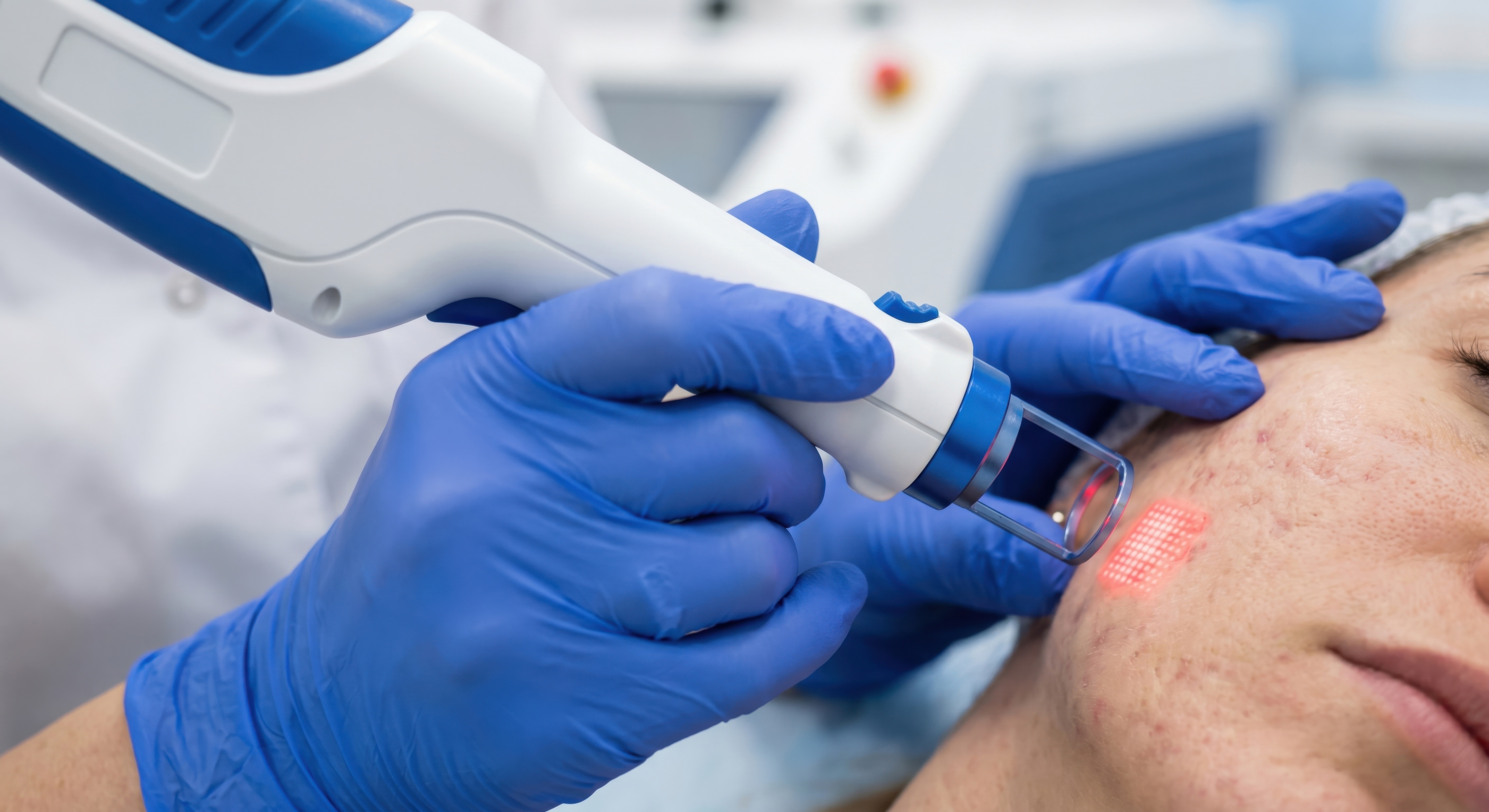
CO2 laser resurfacing is an advanced form of laser skin resurfacing designed to improve skin texture, tone, and firmness. Unlike older resurfacing methods that removed broad areas of skin, fractional technology creates thousands of microscopic treatment zones while leaving surrounding tissue intact.
This precision allows the skin to heal more efficiently while still triggering a powerful repair response.
So, how fractional CO2 lasers work for acne scars comes down to controlled stimulation. The laser energy creates tiny columns of treated skin, prompting the body to begin a natural healing process. This activates collagen production and encourages the formation of healthier skin tissue.
Many patients ask, “Does fractional CO2 laser actually build new collagen?” The answer is yes. The treatment stimulates the body’s own collagen-building process, which is why improvements continue to develop after the procedure rather than appearing instantly.
How Fractional CO2 Lasers Remodel Acne Scars from the Inside Out
The reason fractional CO2 laser treatments are so effective is that they address the deeper causes of acne scarring.
1. The laser targets damaged areas with precision
During treatment, controlled laser energy reaches specific depths within the skin. These microscopic treatment zones allow providers to target scarred tissue while protecting surrounding healthy skin.
2. The skin begins its natural repair process
The body recognizes these controlled micro-injuries and responds by sending signals that support healing. This process encourages the replacement of older, damaged tissue with stronger, healthier tissue.
3. Collagen production increases
Collagen is one of the primary proteins responsible for skin strength, elasticity, and structure. With increased collagen production for scars, the skin gradually becomes firmer and more resilient.
4. Skin texture improves over time
As new collagen forms, depressed scars can become less noticeable. Patients often experience gradual skin texture improvement, smoother skin, and a more even overall appearance.
So, how does a CO2 laser fix acne scars from the inside out? Rather than simply covering scars, the treatment encourages the skin to rebuild itself.
Is Fractional CO2 Laser the Best Treatment for Pitted Acne Scars?
Many patients searching for the best laser treatment for pitted acne scars are looking for a solution that provides noticeable, long-lasting improvement. While no single treatment works perfectly for every person, fractional CO2 laser therapy is considered one of the leading options for improving moderate to severe acne scarring.
A professional evaluation is important because acne scars vary widely. Some patients may benefit from combining laser treatments with other cosmetic dermatology services, while others may achieve excellent results with a customized laser-only approach.
At an advanced aesthetic skin clinic, providers consider factors such as:
- Scar type and depth
- Skin tone and sensitivity
- Previous treatments
- Desired results
- Recovery preferences
This personalized approach helps ensure that patients receive the most appropriate treatment plan for their individual needs.
Fractional CO2 Laser Before and After: What Results Can You Expect?
When researching fractional CO2 laser for acne scars, it is important to understand that results develop gradually. The skin continues remodeling for weeks and months following treatment as new collagen forms.
Patients commonly notice:
- Softer, smoother skin texture
- Reduced appearance of depressed scars
- Improved firmness
- More even-looking skin
While fractional CO2 laser treatment can create significant improvement, realistic expectations are essential. Deep scars may require multiple sessions or combination therapies to achieve the best possible outcome.
For individuals asking, “Is fractional CO2 laser resurfacing worth it for severe acne scarring?” The answer depends on your specific skin condition, goals, and treatment plan. A consultation with experienced providers can help determine whether this approach is right for you.
What Is Recovery Like After CO2 Laser Skin Resurfacing?
One of the most common questions patients ask is about CO2 laser skin resurfacing recovery time.
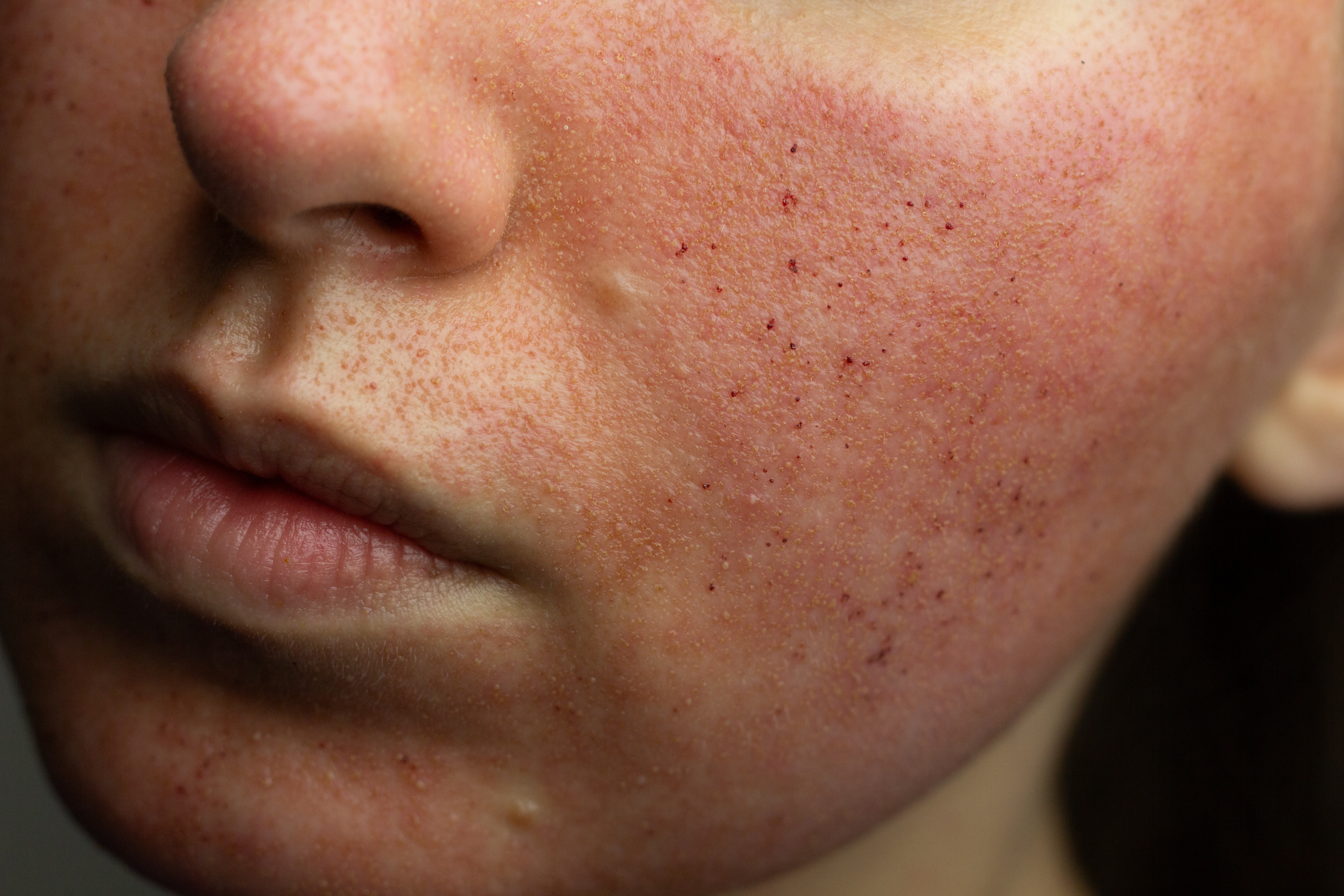
Recovery varies depending on the intensity of treatment, but most patients experience some combination of:
- Redness
- Swelling
- Sensitivity
- Peeling or flaking as the skin renews itself
During recovery, proper aftercare is essential. Protecting the skin from sun exposure, following recommended skincare instructions, and avoiding irritating products can help support healing.
Professional laser therapies performed by trained providers offer the advantage of customized settings based on your skin type and goals.
Choosing Professional Acne Scar Treatment
When considering acne scar treatment, choosing an experienced provider matters. Laser procedures require knowledge of skin biology, technology settings, and individual patient factors.
A trusted clinic offering medical spa acne treatments can evaluate your scars and recommend an appropriate approach. Whether you are seeking adult acne scar solutions or exploring advanced options after years of struggling with scarring, professional guidance can make a significant difference.
If you are searching for an acne scar laser consultation near me, look for providers who specialize in laser treatments and have experience treating different types of acne scars.
Restore Smoother Skin with Advanced Laser Treatment
Acne scars can affect confidence long after breakouts have disappeared, but modern technology provides more effective options than ever before. Fractional CO2 laser treatments work by combining precision resurfacing with the body’s natural healing abilities to improve scars from within.
Through collagen stimulation, skin remodeling, and controlled resurfacing, this treatment can help transform uneven, scarred skin into a smoother and more refined appearance.
If you are ready to explore your options, you can book fractional CO2 laser treatment, schedule laser skin resurfacing, or consult with acne scar specialists to learn what approach best fits your skin goals.